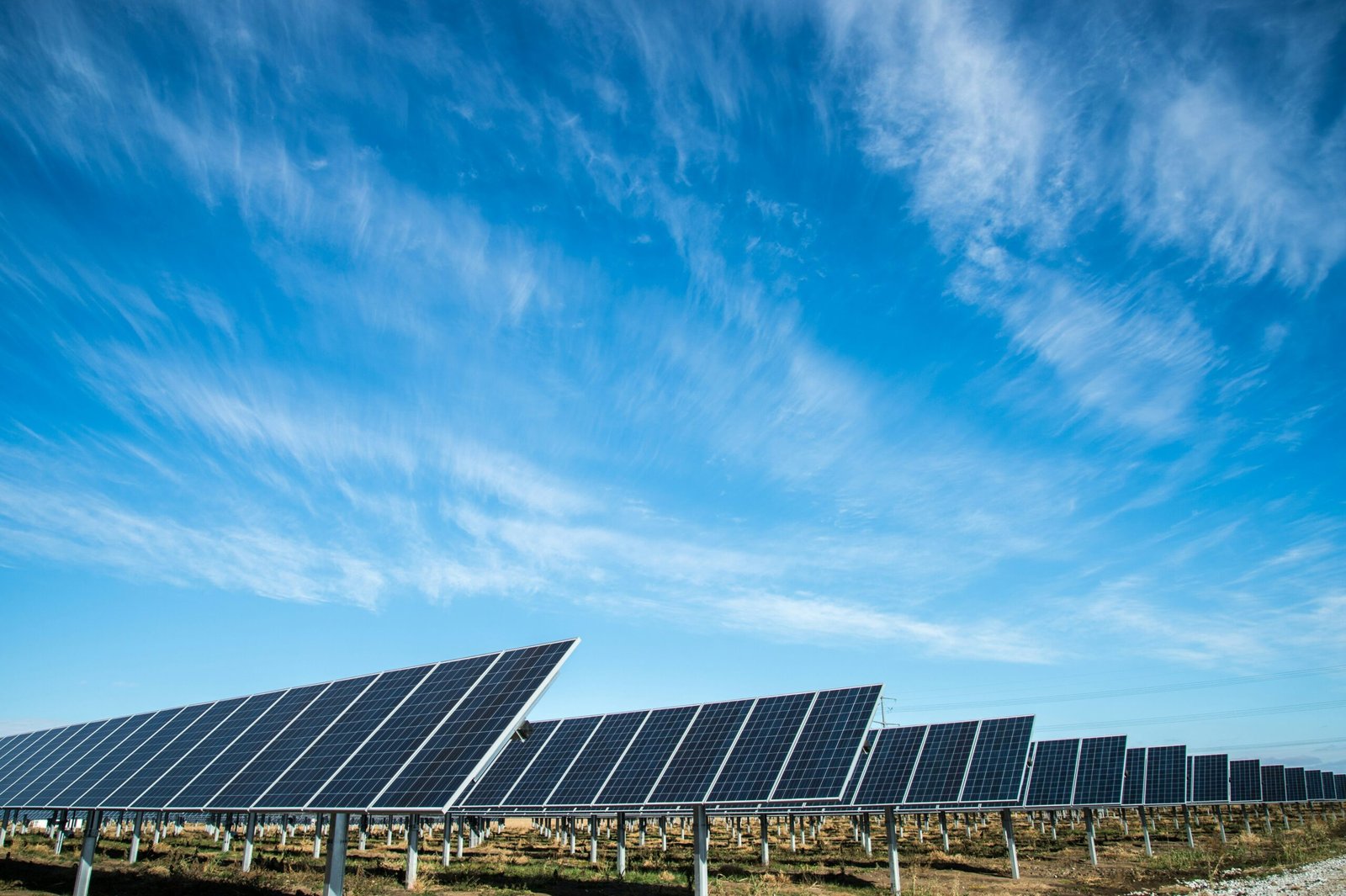
Solar Panels: The Heart of the System
Solar panels play a crucial role in any solar power plant, functioning as the primary component responsible for converting sunlight into electricity. This conversion occurs through the photovoltaic (PV) effect, wherein solar cells within the panels absorb photons from sunlight and generate direct current (DC) electricity. The efficiency of this process significantly impacts the overall performance of the solar power system.
There are three primary types of solar panels available on the market: monocrystalline, polycrystalline, and thin-film. Monocrystalline panels are made from a single crystal structure, which allows them to achieve higher efficiency rates—typically around 15-22%—and a longer lifespan of 25 years or more. However, they tend to be more expensive than other options.
Polycrystalline panels, on the other hand, are crafted from multiple crystal structures, making them less efficient—generally ranging from 13-16%—and slightly more affordable. Despite their lower efficiency, they offer a good balance between cost and performance, making them a popular choice for residential and commercial applications.
Thin-film solar panels are an alternative that utilizes a variety of materials, such as cadmium telluride or amorphous silicon. These panels are lightweight and flexible, offering ease of installation. However, their efficiency is notably lower, typically between 10-12%, and they require more space for installation. Maintenance considerations also vary among types; for instance, monocrystalline and polycrystalline panels may need occasional cleaning to maintain efficiency, while thin-film panels can sometimes be less demanding in this regard.
In conclusion, the choice of solar panels is critical for optimizing the energy output of a solar power plant. Each type offers distinct advantages and drawbacks, highlighting the importance of careful consideration when selecting panels for specific energy needs and applications.
Inverters: Converting DC to AC Power
In a solar power plant, inverters play a pivotal role by converting the direct current (DC) produced by solar panels into alternating current (AC), which is the form of electricity used by most homes and businesses. The process of inversion is crucial because while solar panels generate DC power, the electrical grid typically operates on AC. Thus, inverters serve as the bridge between renewable energy production and everyday electric usage.
There are several types of inverters used in solar installations, each with its unique characteristics and advantages. The most common type is the string inverter, which connects multiple solar panels in a series. This type is cost-effective and straightforward but may experience reduced efficiency if one panel performs poorly due to shading or other issues. Alternatively, microinverters are installed on each individual solar panel, allowing for optimized performance even when some panels are shaded. They provide increased energy yield and offer better monitoring capabilities, though they are generally more expensive. Another option is power optimizers, which function as a hybrid between string inverters and microinverters, managing the output of each panel while still connecting to a centralized inverter.
Performance monitoring is another critical aspect of inverter functionality. Most modern inverters are equipped with monitoring systems that allow users to track energy production in real time. This capability aids in identifying issues and ensuring that the solar power system operates at optimal efficiency. Reliability is paramount; as the component that converts power, inverters significantly influence the overall performance and longevity of a solar installation. Solar power plants commonly choose high-quality, durable inverters to minimize maintenance costs and maximize returns on investment.
Racking Systems: Supporting the Structure
Racking systems play a vital role in the installation and performance of solar power plants. These structures are designed to securely mount solar panels, ensuring their longevity and maximizing energy production. The choice of racking system can significantly influence the efficiency of solar energy generation. There are several types of racking systems available, each suited for different applications and environments.
Fixed tilt racking systems are the most common type used in solar power plants. As the name suggests, these systems have a stationary tilt angle that is optimized for a specific location, usually set to capture the maximum amount of solar radiation throughout the year. They are often simpler to install and more cost-effective, making them a popular choice for residential and commercial installations. However, they may lack the flexibility to adjust to fluctuating sun angles, potentially limiting energy production on certain days.
Adjustable tilt racking systems allow for the tilt angle to be modified seasonally or according to environmental conditions. This adaptability can lead to increased energy output, as the panels can be positioned to capture sunlight more effectively during different times of the year. Nevertheless, these systems can be higher in cost and complexity due to the additional hardware required to facilitate the adjustments.
Tracking systems take adaptability to the next level by moving solar panels along a predetermined path to follow the sun’s movement across the sky. These systems can significantly enhance energy capture, sometimes increasing output by 25-50% compared to fixed tilt systems. However, they are generally more expensive and require more maintenance due to their moving parts.
When selecting a racking system, it is important to consider various factors such as site conditions, expected wind load, and material choices. Site-specific analysis can help determine which racking system is best suited for the local climate, ensuring stability and performance in the long term. Understanding the different racking options is crucial for optimizing energy output and ensuring the reliability of solar power installations.
Cables and Monitoring Systems: The Unsung Heroes
In solar power plants, cables and monitoring systems play critical roles that often go unnoticed but are vital for ensuring operational efficiency and safety. The types of cables utilized for power transmission are an essential aspect of the infrastructure, as they are responsible for transporting electrical energy generated by solar panels to inverters and ultimately to the grid. One important factor to consider is the wire gauge, which affects the current-carrying capacity of the cables. A lower gauge indicates a thicker wire that can handle higher currents, thus minimizing the risk of overheating and energy loss due to resistance.
Insulation is another key component of solar power cables. The right insulation material protects the wires from environmental stressors such as moisture, UV exposure, and mechanical damage. Common insulation materials include thermoplastic and thermoset materials, which serve to enhance durability and longevity. Additionally, protective measures such as conduit, cable trays, and proper installation techniques are crucial for safeguarding cables against physical wear and electrical hazards. Together,these factors contribute significantly to the overall efficiency of the solar power system.
Monitoring systems are equally crucial as they provide real-time data on energy production and system performance. These advanced systems facilitate timely maintenance by tracking metrics such as voltage, current, and energy output. By employing data analytics, operators can identify trends, predict potential failures, and optimize performance. Moreover, an effective monitoring system can include features like remote access capabilities, which allow operators to oversee multiple sites from a central location. With the increasing complexity of solar installations, these monitoring solutions ensure that the plants remain efficient over time, aligning with maintenance requirements and best operational practices.
Overall, cables and monitoring systems are indispensable for the effective operation of solar power plants. Their thoughtful integration not only bolsters energy efficiency but also enhances the safety and longevity of the infrastructure, affirming their status as unsung heroes in the solar energy landscape.